
The Hard Math of Business Disruption
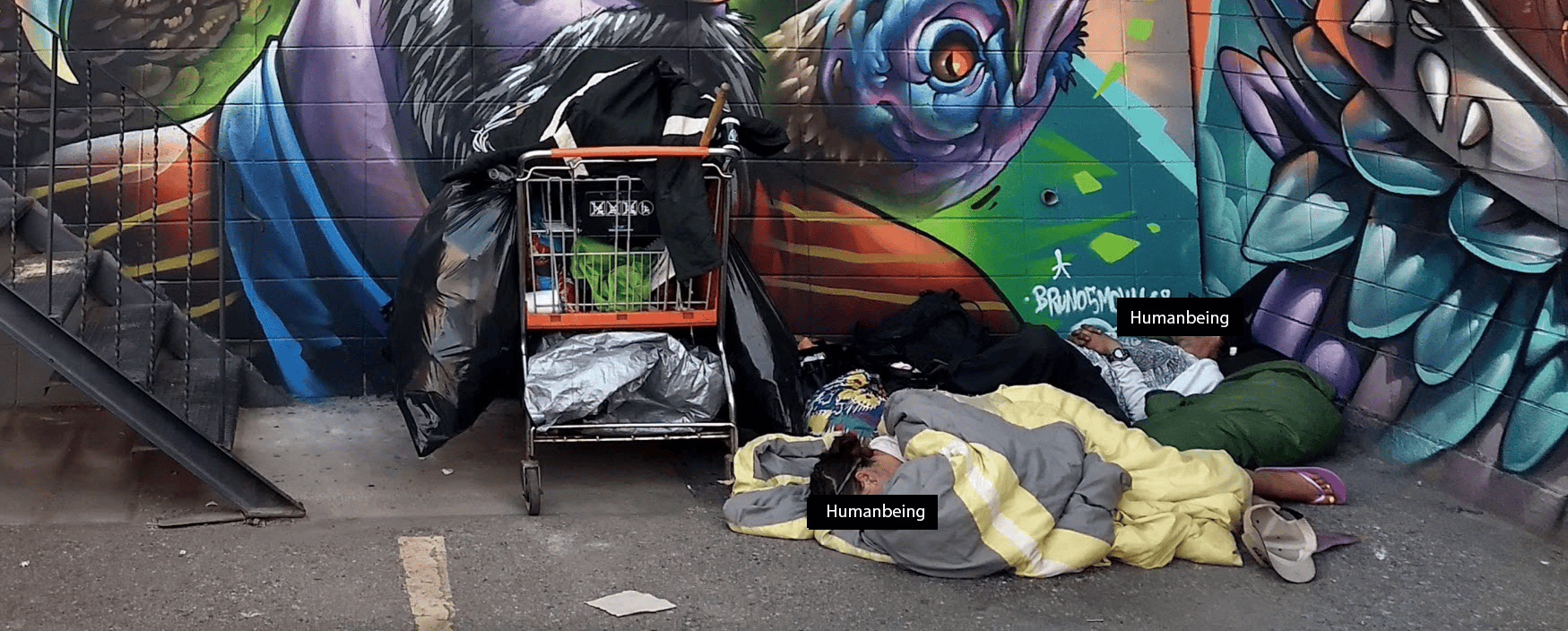
Walk through the downtown cores of Kelowna, Kamloops, or Vernon on any given morning, and you will see two distinct realities occupying the same space. On one side, small business owners are washing down storefronts, replacing broken glass, and assessing the overnight costs of vandalism. On the other, outreach workers are checking on vulnerable individuals who spent the night unsheltered.
For too long, the public conversation has framed this as a binary choice: you are either pro-business or pro-compassion. This division is a false construct. The economic reality of property damage and reputational decline is a threat to the livelihood of local families. Simultaneously, the human reality of homelessness is a systemic failure that cannot be solved by policing alone.
If we want to protect our local economy while genuinely helping the vulnerable, our regional planning needs to move past reactive frustration and toward structural, shared mitigation.
We cannot minimize the impact on independent retailers, restaurateurs, and commercial property owners. When a business faces repetitive vandalism, rising private security bills, and a drop in foot traffic due to safety concerns, it is the life savings of local entrepreneurs taking a hit.
Reputational erosion is a lagging indicator. Once a commercial district gains a reputation for being unsafe, reversing that perception takes years of expensive marketing and civic revitalization. Expecting business owners to simply absorb these costs as the price of doing business is unsustainable and unfair.
Moving Beyond Reactive Security
Traditionally, the immediate response to social disorder has been to increase private security or install heavy physical barriers. While property protection is necessary, it is ultimately a defensive strategy that shifts the issue down the block rather than resolving it.
Progressive business improvement associations and municipalities in the Interior are shifting toward Crime Prevention Through Environmental Design. This involves structural incentives, such as local Business Security Enhancement Rebates, which help business owners fund tangible upgrades like exterior lighting, protective window films, and streetscape activations that naturally deter vandalism without turning commercial blocks into fortresses.
Coordinated Crisis Management
The business community cannot be expected to act as frontline mental health workers or social services. When an individual is in crisis outside a storefront, relying solely on standard law enforcement often results in a cycle of arrests and releases that solves nothing.
The most effective mitigation strategy emerging in BC is the deployment of integrated, community-led crisis response teams. By pairing healthcare professionals with specialized enforcement, these teams de-escalate situations, manage public safety, and connect individuals directly to regional recovery resources. This frees up local RCMP detachments to focus on actual criminal activity rather than social disorder, giving business owners a faster, more appropriate avenue for support.
Funding Pathways for Mitigation
Addressing these challenges requires capital, and several direct funding streams exist across the Southern Interior to help businesses and non-profits offset costs and implement proactive changes.
City of Kelowna Business Security Enhancement Rebate Program: You can link the text for this program directly to the City of Kelowna Business Security Enhancement Rebate Program. This portal provides the current application steps, timelines, and the button to request the required no-cost CPTED audit.
Securing Small Business Rebate Program (BC Chamber): For the provincial vandalism recovery and preventative grants, you can direct readers to the BC Chamber of Commerce Securing Small Business Rebate Portal. This ensures business owners from regions outside Kelowna (like Kamloops, Vernon, or Merritt) can access their respective applications.
City of Kelowna and Regional Non-Profit Grants: To anchor the social service and emergency funding options, you can link to the City of Kelowna Grant Platform, which hosts their Organization Development and Social Development funding portals. Additionally, the Central Okanagan Foundation Grants Page is the direct administrator for the city’s Community Social Development grants.
The Integrated Plan Forward
True mitigation requires business leadership, non-profits, and municipal governments to actively co-create space. This looks like:
Co-Located Service Models: Supporting the provincial transition toward structured indoor shelter initiatives that pair temporary housing with robust on-site healthcare, reducing the concentration of street-level encampments in commercial zones.
Commercial Integration: Creating micro-employment and stewardship programs where unhoused individuals are paid a living wage to assist with neighborhood beautification, giving people a pathway to dignity while directly improving the streetscape.
Shared Governance: Establishing permanent, small-scale task forces that bring downtown retailers and local outreach managers to the same table monthly. When social service providers understand a bakery owner’s operational realities, and business owners understand the gaps in local shelter capacity, solutions become collaborative rather than adversarial.
Protecting our commercial cores and caring for our most vulnerable are not competing goals. They are two sides of the exact same coin. A healthy business community cannot exist within a fractured society, and a fractured society cannot fund the social services required to heal. It is time to plan for both.